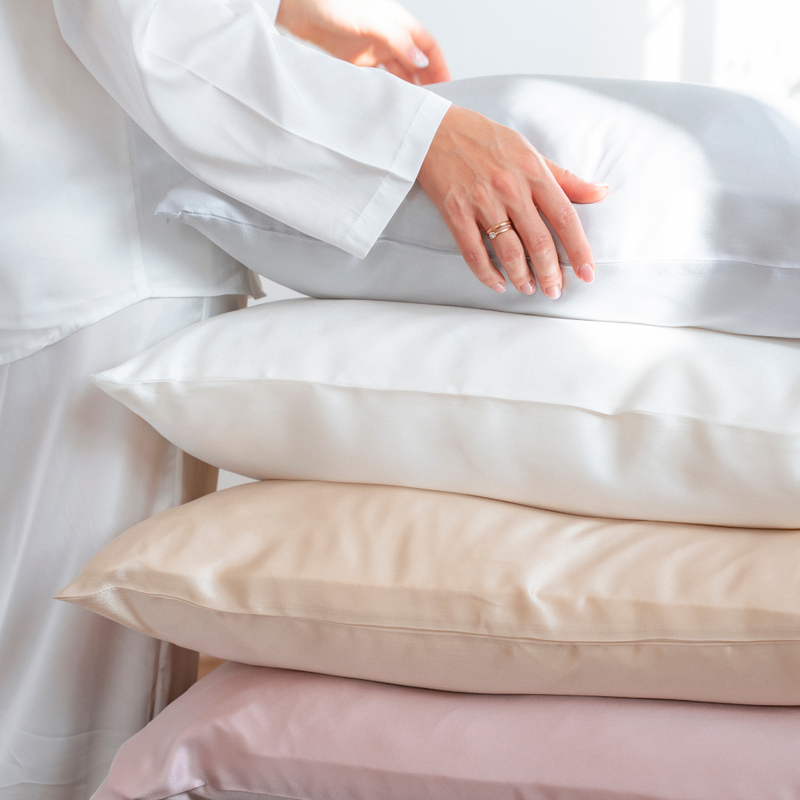
Silk vs cotton pillowcase: which is better for hair and skin?
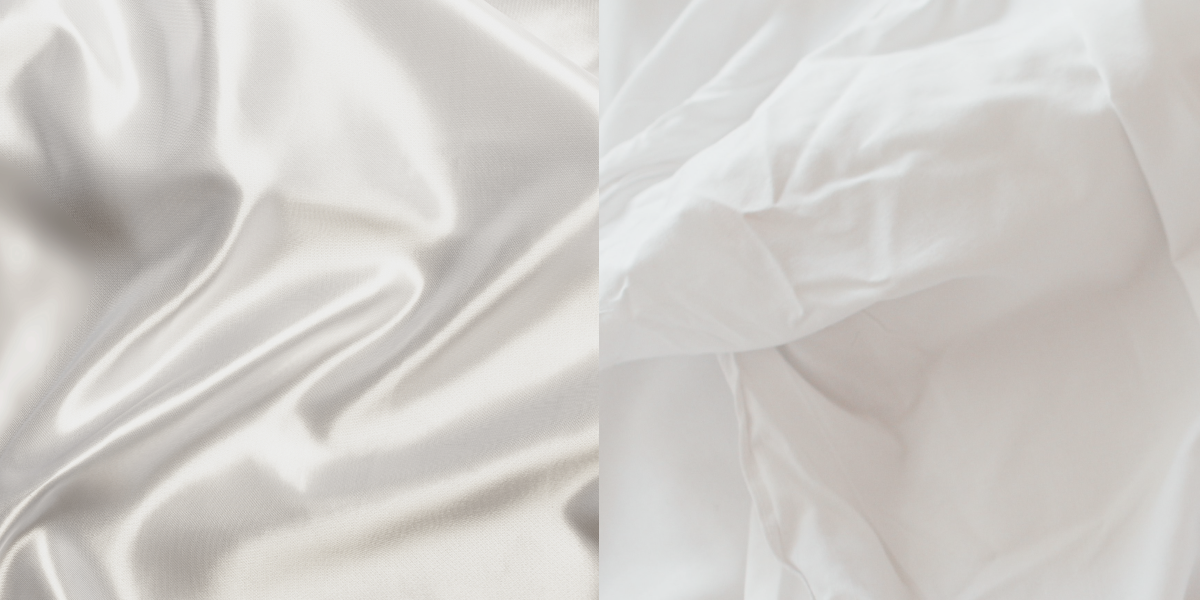
Most of us spend around a third of our lives with our face and hair on a pillowcase. So it is fair to ask: does the fabric actually matter? Here is an honest comparison of silk vs cotton pillowcases – what each one does well, where silk makes a real difference, and what to look for if you decide to switch.
Silk vs cotton at a glance
| Mulberry silk | Cotton | |
|---|---|---|
| Fibre | Natural protein fibre | Natural plant fibre |
| Surface | Very smooth | Textured |
| Friction against hair | Low | Higher |
| Moisture absorption | Low | High |
| Breathability | High | High |
| Care | Gentle wash at 30°C | Machine wash, hot |
1. Hair: less friction, less frizz
The biggest difference is friction. Cotton has a slightly rough, textured surface, so as you move in your sleep your hair rubs and catches on it. That friction is what causes frizz, tangles and the classic bedhead.
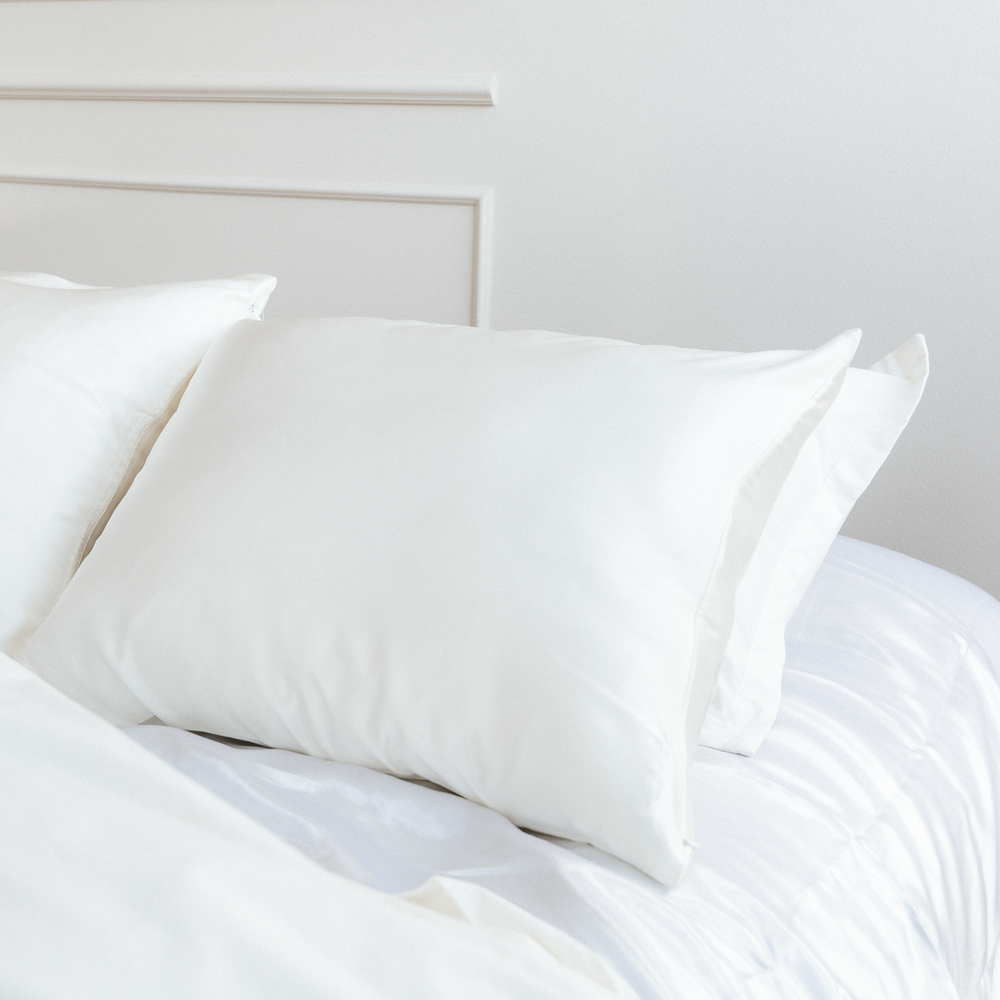
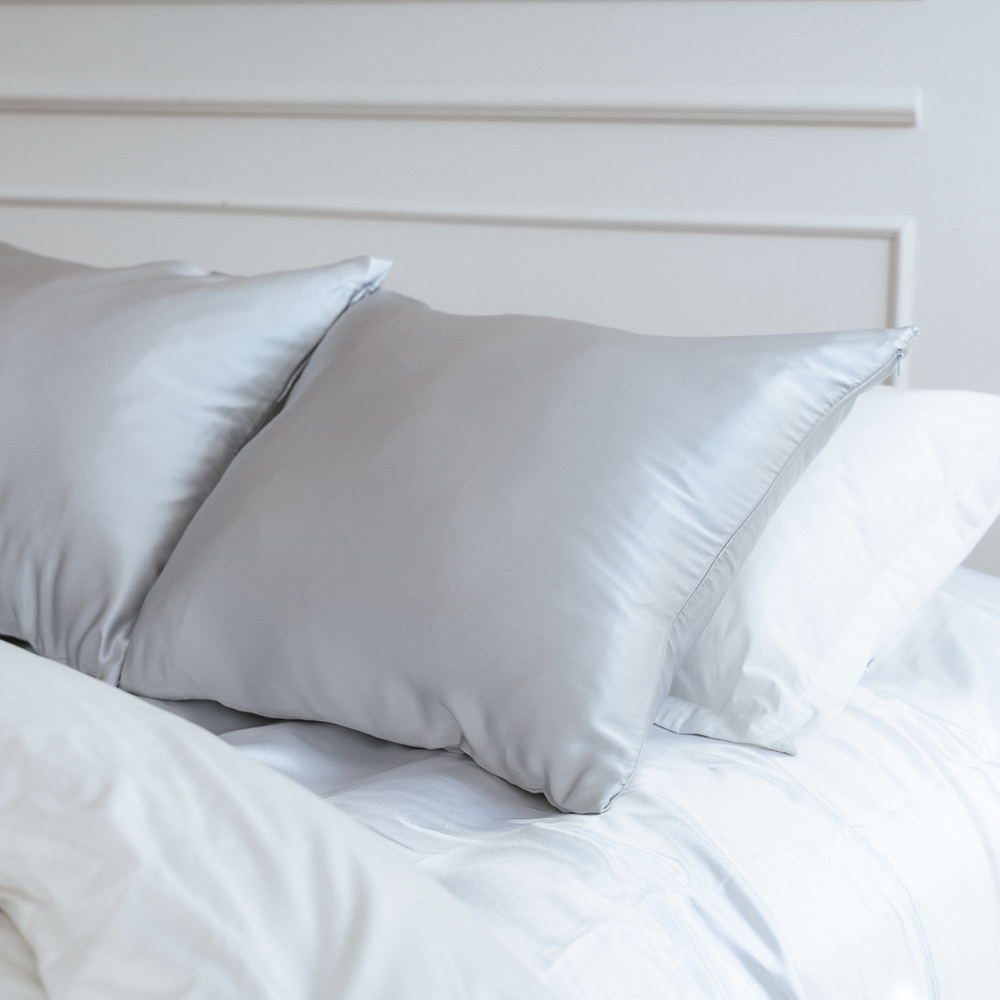
A mulberry silk pillowcase has a very smooth surface, so hair glides over it instead. Many people with long, curly, coloured or fine hair notice they wake up with smoother, less tangled hair – and that blow-dries and curls last a little longer. Results vary with hair type, but less friction is always kinder to your hair.
2. Skin: fewer sleep creases, more moisture where it belongs
Cotton is absorbent – great for towels, less ideal for your face. It can draw some of your skin’s moisture and your night cream into the fabric. Silk absorbs less, so more of your skincare stays on your skin.
The smooth surface also means less tugging on your face, so you are likely to wake up with fewer sleep creases. A pillowcase cannot stop skin ageing on its own – but it is an easy, gentle addition to your evening routine.
3. Comfort through the seasons
Both silk and cotton are natural, breathable fibres. Silk feels cool to the touch on warm nights and cosy when it is colder, which is why many people find it more pleasant to sleep on all year round.
4. Sensitive skin
Silk is smooth and often well tolerated by people with sensitive skin. Our silk is certified to OEKO-TEX® Standard 100, which means it has been tested for harmful substances. No fabric prevents allergies on its own, though – washing your bedding regularly matters most.
Is cotton ever the better choice?
Yes. Cotton is cheaper, can be washed hot and tumble dried, and is perfectly comfortable. If you mainly want low-maintenance bedding, cotton does the job. Silk is the better choice if you care about your hair, want to reduce frizz and sleep creases, or simply love the feel of a little everyday luxury.
How to choose a good silk pillowcase
- 100% mulberry silk – not “satin”, which is usually polyester. Read more in silk vs satin: what’s the difference?
- 22 momme or more – a denser silk that feels substantial and lasts longer than 16–19 momme.
- Grade 6A – the highest grade of raw silk, with long, even fibres.
- OEKO-TEX® certified – tested for harmful substances.
- A hidden zipper – keeps the pillow in place and looks neat.
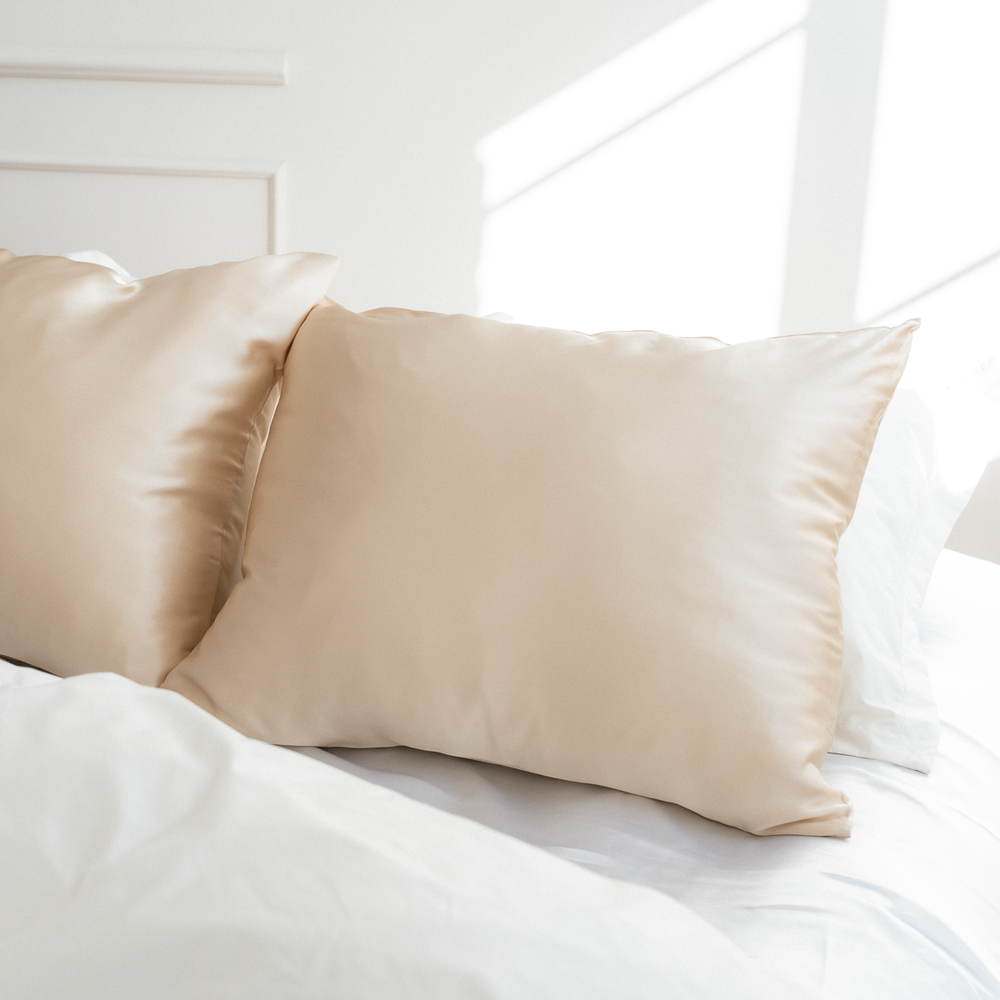
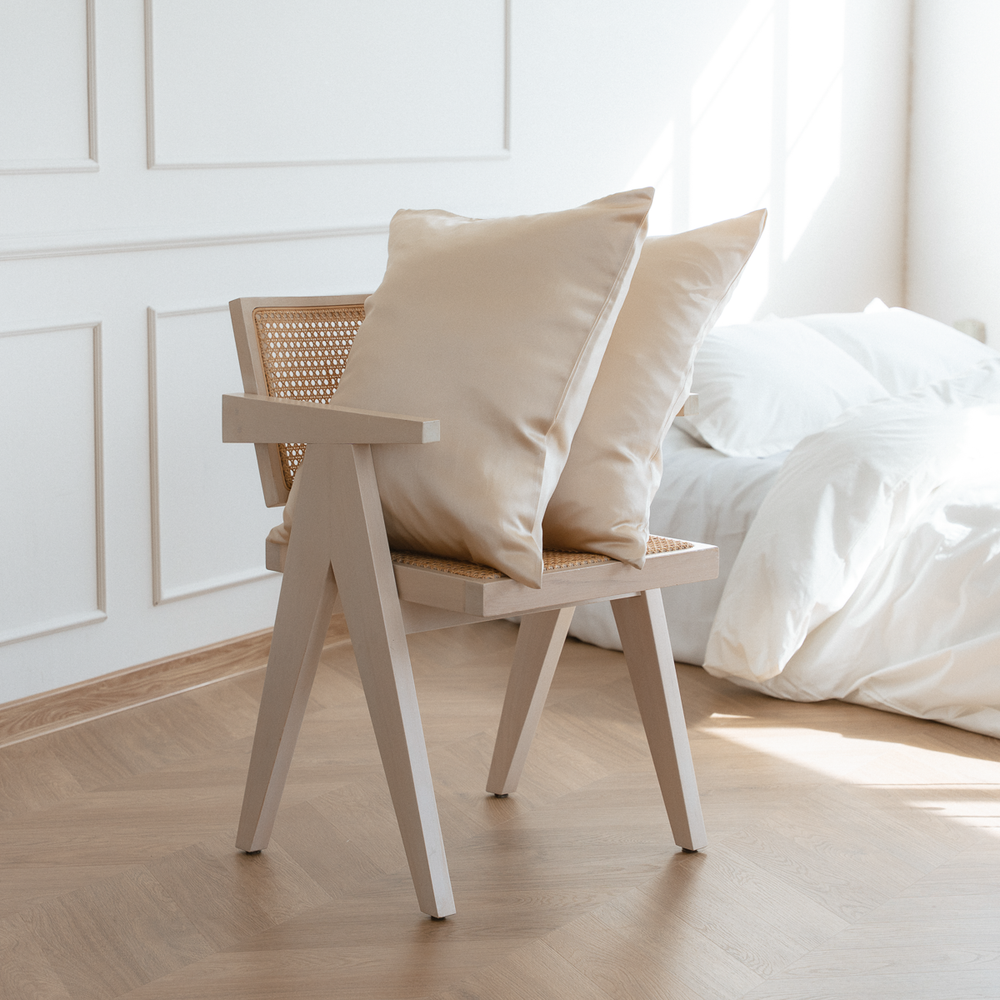
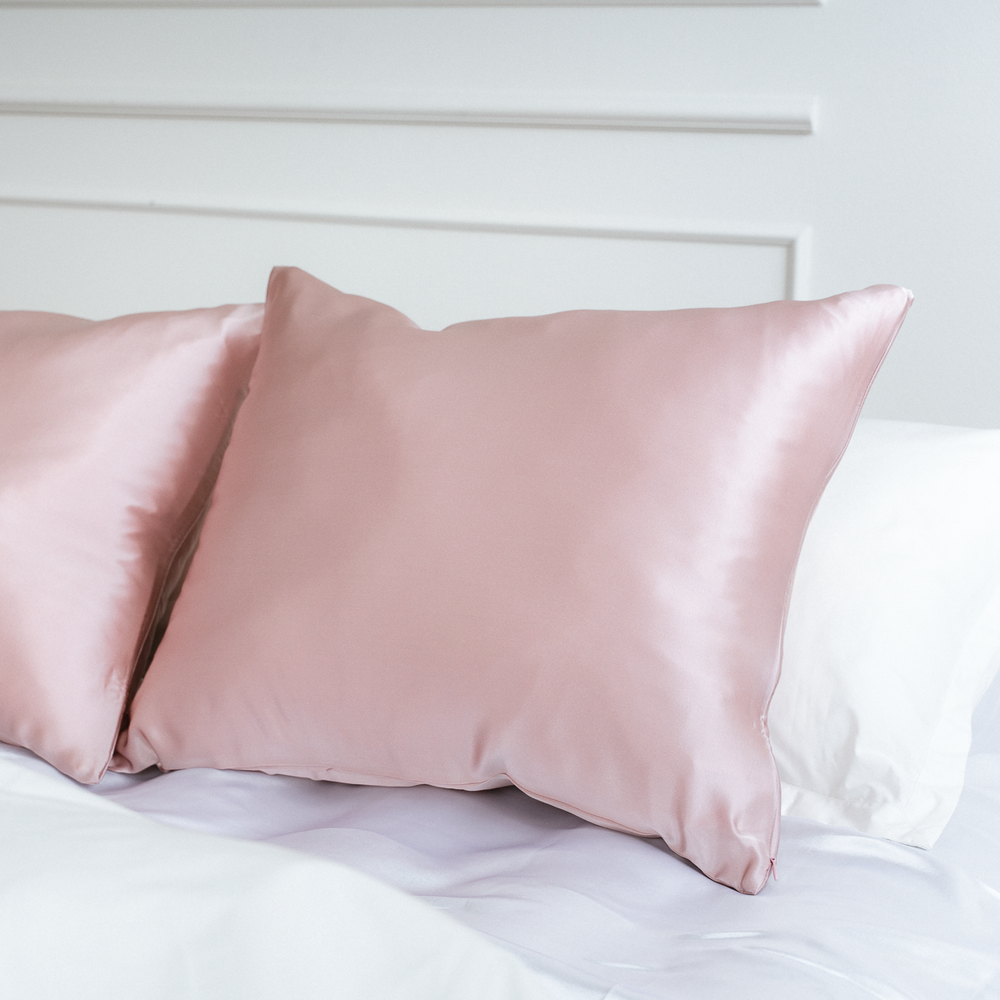
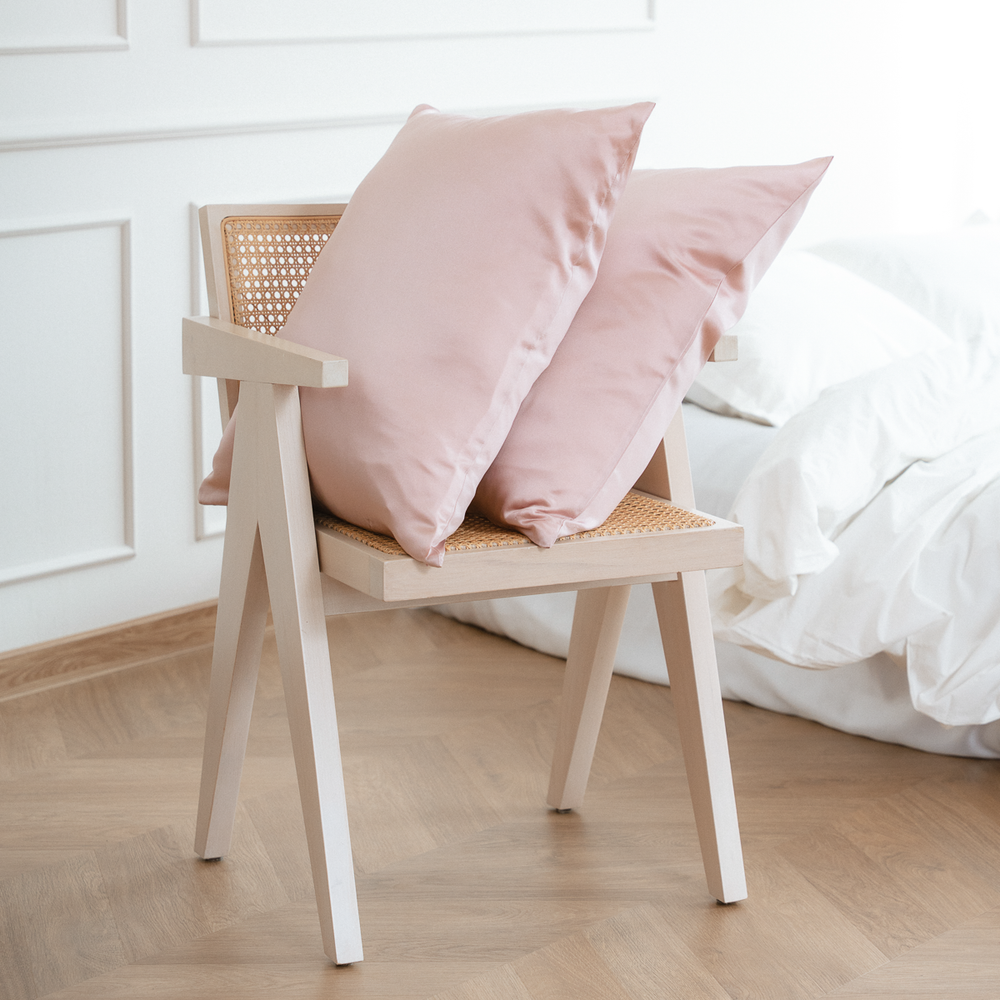
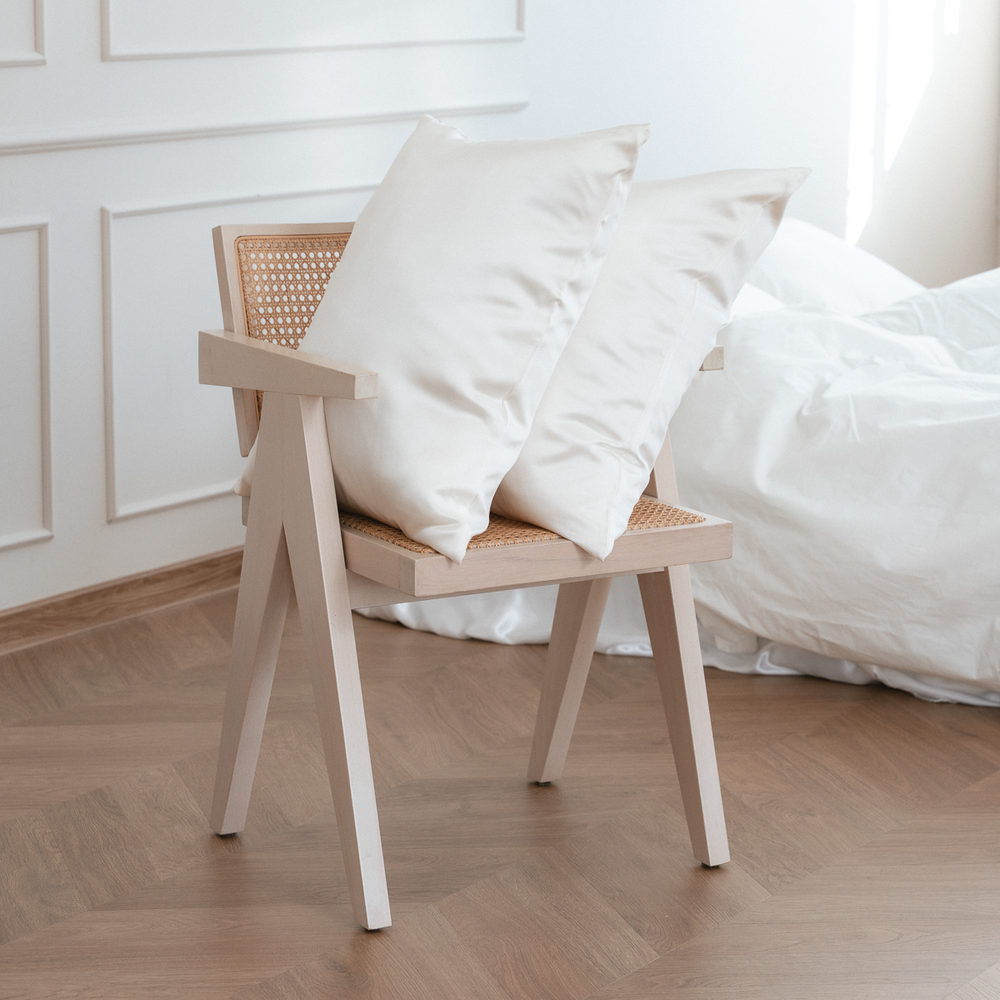
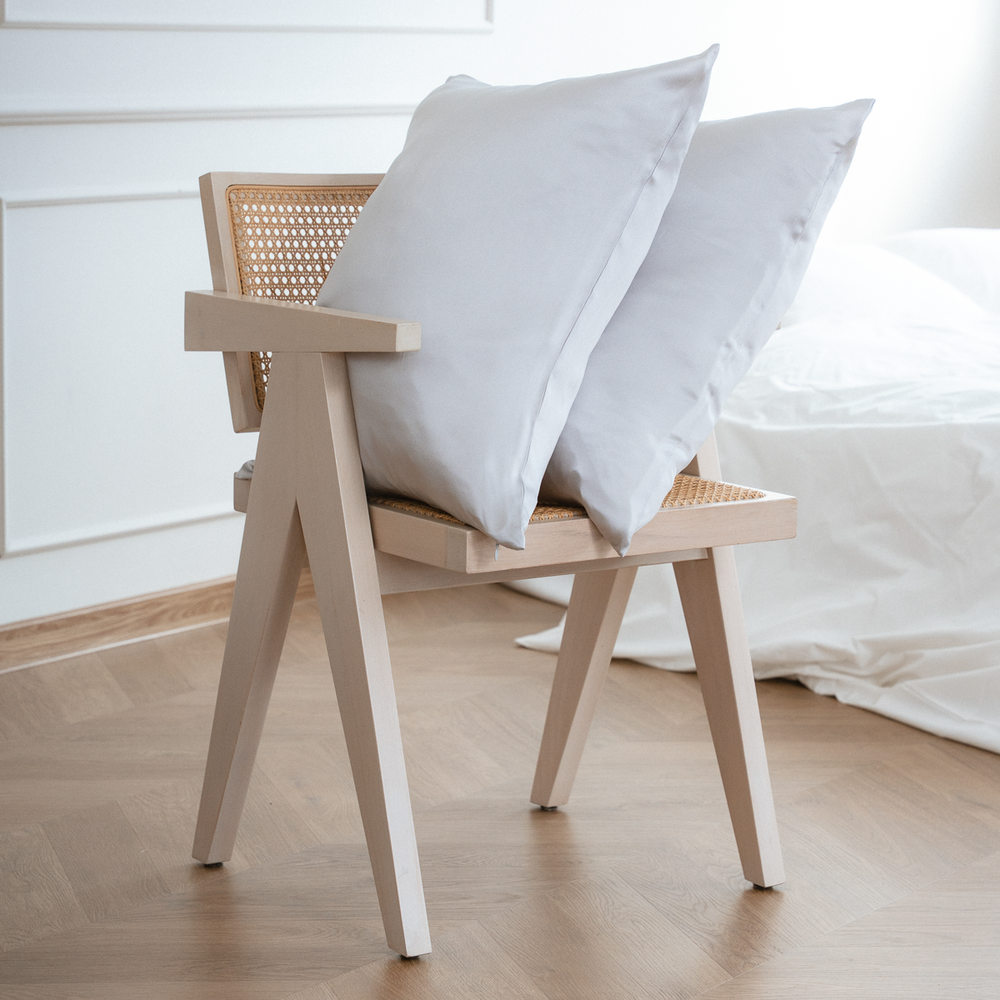
Our Aurasilks silk pillowcases tick every box: 100% grade 6A mulberry silk, 22 momme, 50×60 cm with a hidden zipper, with free delivery across Europe and 30-day returns.
Frequently asked questions
Is a silk pillowcase worth it?
If frizz, tangles or sleep creases bother you, most people find it worth it – you use it every single night. With the right care, a quality silk pillowcase lasts for years.
Can I use a silk pillowcase if I have curly hair?
Yes – curly and wavy hair often benefits the most, because less friction helps curls keep their shape overnight.
How do I wash a silk pillowcase?
Hand wash or use a delicate cycle at 30°C in a washing bag with a mild detergent, and dry flat. See our full silk pillowcase care guide.